

The concept of sanctions has long been a tool for the United States in its foreign policy arsenal. Primarily aimed at exerting pressure on nations that engage in activities contrary to U.S. interests or international norms, sanctions can take various forms, including economic restrictions, trade barriers, and diplomatic isolation. The US sanctions https://lhfministries.org/media/pgs/?us-sanctions-full-overview.html encapsulates their complexity and far-reaching effects. Understanding these mechanisms is crucial for analyzing contemporary geopolitics.
Historical Context of U.S. Sanctions
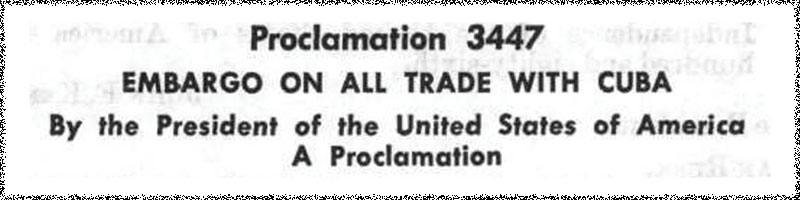
Sanctions have been a part of U.S. foreign policy since the early 20th century, but their use significantly intensified after World War II. Historically, sanctions have been imposed to combat specific adversarial actions: the Cuban embargo, initiated in 1960, was aimed at curbing the spread of communism in the Western Hemisphere, while sanctions against Iran were instituted due to concerns over nuclear proliferation and support for terrorism. Post-9/11, the U.S. heightened its sanction strategies, introducing measures to combat terrorism and respond to aggressive actions by various states.
Types of Sanctions
U.S. sanctions can be categorized into various types, including comprehensive sanctions, targeted sanctions, and secondary sanctions. Comprehensive sanctions block all trade and financial transactions with a specific country, affecting entire economies. Targeted sanctions, often referred to as “smart sanctions,” specifically target individuals, entities, or sectors, aiming to minimize humanitarian impact while still exerting pressure. Secondary sanctions seek to limit the ability of third parties to engage with sanctioned countries, amplifying the reach of U.S. policy.
Mechanisms of Enforcement
The enforcement of sanctions is primarily the responsibility of the U.S. Department of the Treasury, particularly its Office of Foreign Assets Control (OFAC). Through extensive record-keeping, compliance monitoring, and investigations, OFAC ensures that individuals and businesses comply with U.S. sanctions. Failure to comply can result in significant penalties, including fines and legal repercussions. The role of international partners is also crucial; many countries align their own sanctions policies with U.S. measures, amplifying their effectiveness.
Case Studies of Sanctions in Action
One of the most cited examples of U.S. sanctions is the case of Iran. The sanctions regime against Iran evolved over four decades, reacting to various actions perceived as threats to U.S. interests and global peace. The Joint Comprehensive Plan of Action (JCPOA), signed in 2015, aimed to lift some of these sanctions in exchange for Iran’s commitment to limit its nuclear program. However, the U.S. withdrawal from the deal in 2018 led to the reimplementation of extensive sanctions, significantly impacting Iran’s economy and exacerbating tensions in the Middle East.
Another powerful example is the sanctions imposed on Russia in response to its annexation of Crimea in 2014. These sanctions targeted sectors such as finance, energy, and defense, aiming to constrain Russia’s economic capabilities and signal disapproval of its actions. While the sanctions have certainly caused economic hardship, their effectiveness in altering Russia’s foreign policy remains a subject of debate.
Effects on Targeted Nations
The impact of U.S. sanctions on targeted nations varies widely. In some instances, sanctions lead to considerable economic pain, social unrest, and political change. In other cases, governments may rally nationalistic sentiments against external pressures, framing sanctions as acts of aggression. Consequently, the effectiveness of sanctions is often contingent upon the resilience of the targeted regime and the support it garners from its citizenry.
Humanitarian Concerns
Sanctions have also raised concerns regarding their humanitarian impact. While the intention behind imposing sanctions is often to promote international norms and peace, the unintended consequences frequently harm civilian populations more than the political elites they intend to target. For example, sanctions on Iraq during the 1990s led to widespread suffering, particularly among women and children, provoking international outcry. As a result, there is a growing call for policies that more effectively distinguish between governmental and civilian needs.
International Reactions and Adaptations
Globally, sanctions regimes have sparked debates about their legitimacy and efficacy. Countries such as Russia and China often criticize U.S. sanctions as unilateral and a form of coercion. In response, they have sought to develop alternative alliances and economic frameworks to bypass U.S. restrictions. This includes promoting trade partnerships that diminish reliance on the U.S. dollar, as well as advocating for the establishment of new multilateral platforms that do not adhere strictly to U.S. dictates.
The Future of U.S. Sanctions
Looking ahead, the role of U.S. sanctions within international relations will continue to evolve. With shifts in global power dynamics, including the rise of other economic powers and changes in international alliances, the relevance and authority of U.S. sanctions will face increasing scrutiny. The future may witness a more nuanced application of sanctions, integrating diplomatic efforts and multi-country frameworks to produce tangible results without compromising humanitarian interests.
Conclusion
In summary, U.S. sanctions represent a complex and multifaceted tool of foreign policy. While they aim to uphold international norms and pressure adversarial regimes, their effectiveness varies and is influenced by numerous factors, including the targeted nation’s resilience and international cooperation. Moving forward, it is essential for policymakers to strike a balance between enforcing sanctions and addressing humanitarian concerns to ensure that these measures do not inadvertently exacerbate suffering among civilian populations.