
Lodhi Garden: Delhi’s Green Paradise Where History Meets Nature Your Gateway to South Delhi’s Vibrant Culture and Lifestyle
You can also take an auto or cab to reach the park. Yes, children will enjoy running around the open spaces and exploring the ponds and monuments. We respect the environment by not littering and following the park’s rules.
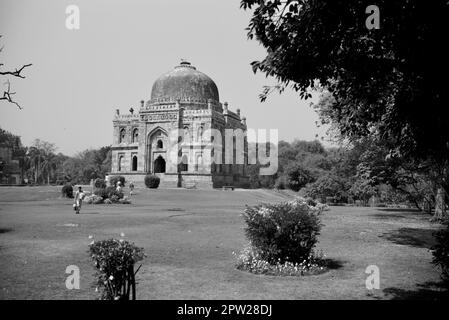
Shisha Gumbad
- These activities demonstrate the gardens’ role as a community resource that serves diverse needs and interests.
- One of the best parts about visiting Lodi Gardens is that entry is completely FREE.
- This international dimension reflects Delhi’s role as a global city while demonstrating how well-designed public spaces can serve diverse communities with different cultural backgrounds and expectations.
- In cases where consultation from Ministry of Home Affairs and Ministry of External Affairs is required, you would need to allow more time to process your application.
- Lodhi Garden is known for its historical beauty and architectural design.
The most notable structures of the Lodhi Garden are Mohammed Shah’s tomb, twin tombs of Bada Gumbad and Sheesh Gumbad and the walled complex of Sikander Lodi's tomb. The earliest tomb in the garden, the tomb of Mohammed Shah, was built Lodhi Garden in the year 1444 by Ala-ud-din Alam Shah. If we look back in time, it is said that Lodhi Gardens was a village which had monuments from the Sayyid and Lodhi Dynasties settled in its surroundings till 1936. Sometimes it feels like the sky loves Lodhi Garden more, one of the most favourite tourist spot in Delhi to walk back into the days filled with history. Get to the gardens for walks, a run or simply to spend time with nature.
Places to Visit Near Lodhi Garden
There’s no Lodhi Garden tickets price, the entry is free for everyone. Find a quiet spot in the garden to stretch, unwind and connect with your mind, body and soul. You can also enjoy calmness through yoga and meditation, away from the chaos of the city. Take your stroll around the large greenery and enjoy the calm of the garden. The garden’s greenery, peaceful environment and water bodies makes this place the perfect inhabitat for birds. The Lodhi Garden has a diverse range of bird species, such as the parakeets, mynas, pigeons, kingfishers, egrets and many more.
History of Lodhi Garden:
Experience Europe's ancient history, amazing beauty, divine food and incredible culture. Yes, Lodhi Garden is open every Sunday. On average, a person can spend around an hour or two to check out the many charms that this garden has. The timings of Lodhi Garden are quite suitable for the general public and tourists alike. He had a library built just for that purpose to store records. After becoming Emperor Akbar, he used the area around Lodhi Gardens as an observatory.

A Playground for Nature Lovers

This initiative involved relocating nearby villages and introducing exotic trees and plants to enhance the gardens' beauty. The tomb is adorned with intricate carvings and decorative motifs that showcase a blend of Hindu and Islamic architectural styles. The architecture of Mohammed Shah's tomb features an octagonal design, which is relatively unique among Indo-Islamic structures.
Lodhi Garden: A historic green oasis in the heart of Delhi
You can relax your mind and body in the calm and soothing environment of Lodhi Gardens. Lodhi Gardens is a serene and peaceful place for practicing yoga and meditation. You can also join the Delhi Runners Group, which organizes regular runs and marathons at Lodhi Gardens. You can enjoy a refreshing and healthy run in the midst of nature and history.
It is an excellent spot for a family outing, a romantic stroll, or even a solo escape from the city’s hustle and bustle. Lodi Gardens also has beautiful pathways, colorful flowers, and well-maintained lawns. Spread across 90 acres, this green space is a favorite spot for morning walkers, history lovers, photographers, and tourists.
The gardens' value as urban green space becomes increasingly important as Delhi's population grows and air quality concerns mount. Future preservation efforts must address long-term challenges while ensuring that the monuments remain accessible and meaningful to contemporary visitors. Recent restoration projects have focused on cleaning stonework, repairing structural damage, and improving visitor infrastructure while maintaining the authentic character of the monuments. Sustainable maintenance practices, including water conservation, organic gardening methods, and integrated pest management, help address environmental challenges while maintaining the gardens' beauty and health. Lodhi Gardens faces various environmental challenges common to urban green spaces, including air pollution, water scarcity, and pressure from surrounding development. Littering and loud noise should be avoided to maintain the gardens' peaceful atmosphere and environmental health.
As India threw off the shackles of Empire and gained Independence the parks name was changed to the Lodhi Garden The area was cleared and the people moved in the 1930’s and the park was built connecting the ruins together and planting native trees and flowers. The area, ruins and tombs were once dotted around the village Khairpur on the periphery of New Delhi. Lodhi Garden is a comparatively recent (at least in terms of India’s vast history) addition to Delhi. It has exercise machines, running tracks, walking paths, gardens and lawns.
Architecturally, the Sheesh Gumbad follows the pattern of the other Lodi tombs with a 'double storeyed' appearance, but differs from them in its ornamentation. LAYOUTThe Sheesh Gumbad has a square layout like the other Lodi tombs. This mosque, built at the same time as the adjoining Bada Gumbad, is a fine example of the decorative technique of incised and painted limestone plaster used in the Lodi period.