
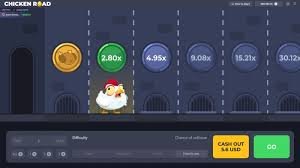
The concept of “free” holds a unique and multifaceted significance in our society. From free resources and services to the idea of freedom itself, the notion of being free influences our daily lives in numerous ways. In this article, we will explore the implications of this powerful idea across different domains, including education, technology, entertainment, and more. We will also take a look at how platforms like free Chicken Road casinos are changing the landscape of entertainment by offering free options that attract a diverse audience.
Free Education: A Gateway to Opportunity
Education is one of the most significant areas where the concept of “free” plays a critical role. The emergence of free online courses and educational resources has revolutionized the way we learn. Platforms like Khan Academy, Coursera, and edX have made it possible for anyone with an internet connection to access high-quality educational materials at no cost. This democratization of knowledge has bridged the gap between different socio-economic classes and provided countless individuals with the opportunity to pursue their academic ambitions.
Free education initiatives also support lifelong learning, allowing individuals to reskill or upskill in response to the rapidly changing job market. With industries evolving due to technological advancements, the ability to learn without financial constraints is more vital than ever. Many professionals are taking advantage of free webinars, workshops, and online courses to enhance their skill sets and adapt to new trends.
The Influence of Free on Technology
The tech landscape is heavily influenced by the concept of “free.” Open-source software, supported by the collaborative efforts of developers worldwide, has provided businesses and individuals with powerful tools without the financial burden. By sharing knowledge and resources freely, developers contribute to a more innovative and adaptable tech ecosystem.
Moreover, many applications and services adopt the freemium model, allowing users to access basic features for free while offering premium features as paid options. This model not only broadens their user base but also allows users to experience the product’s value before making a financial commitment. As a result, many companies successfully convert free users into paying customers, showcasing the power of leveraging the “free” concept in business strategy.
Entertainment and Free Content
The world of entertainment has also felt the weight of the “free” phenomenon. Streaming platforms like YouTube, Spotify, and various podcast services offer free content that attracts millions of daily users. This shift has disrupted traditional media consumption patterns and provided emerging artists with a platform to share their work without the constraints of gatekeeping.
While free content is appealing to consumers, it comes with challenges, including the prevalence of ads and the potential for compromised quality. Nonetheless, the demand for free entertainment options continues to grow, prompting traditional media companies to explore new avenues for audience engagement. As content creators turn to subscription-based models or crowdfunding to offset costs, the landscape of entertainment is evolving rapidly.
Free Resources and Their Role in Social Change

Free resources extend beyond education and technology; they play a pivotal role in social change as well. Many organizations and non-profits offer free services, materials, and information to communities in need. These resources may focus on critical issues such as health, financial literacy, and social justice, empowering individuals to make informed decisions that improve their lives.
For example, access to free health clinics and mental health services can significantly impact underprivileged populations. By offering these vital resources at no cost, organizations can address disparities and promote better health outcomes, leading to healthier communities overall. Additionally, social movements often harness the power of free information to raise awareness of critical issues, driving societal change and challenging the status quo.
The Dilemma of Free: Quality vs. Accessibility
While the allure of “free” is undeniable, it also raises questions about quality and sustainability. In domains like education and entertainment, concerns regarding the quality of free content often arise. With many creators and providers relying on advertising, sponsorships, or donations, it is essential to evaluate whether the content is genuinely valuable or if it prioritizes engagement over quality.
Furthermore, there is a risk that the proliferation of free content saturates the market, making it challenging for creators to monetize their work. As a result, some may resort to paywalls or subscription models to sustain their efforts, potentially limiting access for those who cannot afford it. This cycle raises an important ethical question: how can we ensure that the benefits of free content are shared equitably while maintaining a high standard of quality?
Conclusion
The concept of “free” is a double-edged sword with the power to influence various aspects of our lives profoundly. It democratizes access to education, fosters innovation in technology, and reshapes the entertainment industry. However, it also presents challenges related to quality and sustainability. As we navigate this landscape, it is essential to strike a balance that ensures the benefits of free resources and services are accessible to all, while also supporting the creators and providers who enrich our lives. Ultimately, understanding and harnessing the potential of “free” can lead to a more equitable and enlightened society.